
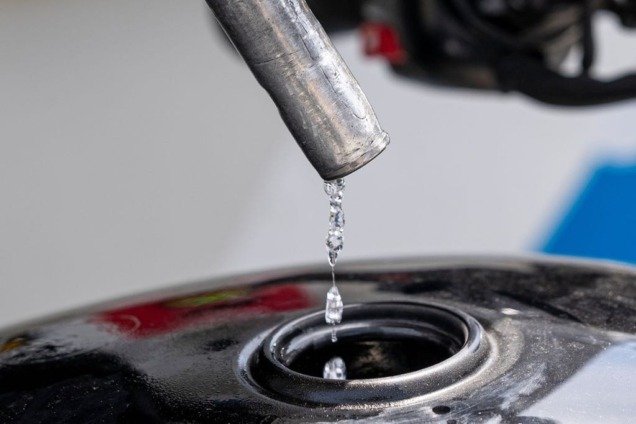
Accra, Ghana – Fuel prices have gone up once more, with some Oil Marketing Companies (OMCs) adjusting their rates at the pumps. GOIL became the first major player to announce new prices on Monday, sparking concerns of a broader market-wide increase.
A litre of petrol now sells at GH¢13.38, up from GH¢12.99 earlier this month, while diesel has climbed to GH¢14.20, from GH¢13.90.
GOIL, Ghana’s second-largest OMC, has moved ahead of competitors who had held prices unchanged for nearly a week, despite earlier projections of a 6% rise per litre from mid-September. Industry analysts say it remains unclear whether the company’s adjustment will prompt similar hikes across the country’s more than 200 OMCs.
Projected Adjustments
According to the Chamber of Oil Marketing Companies (COMAC), fuel prices were expected to rise in the current pricing window as follows:
- Petrol: up by 3.66%–5.86%, potentially reaching GH¢14.17 per litre.
- Diesel: up by 2.12%–4.32%, projected at GH¢14.67 per litre.
- Liquefied Petroleum Gas (LPG): up by 2.23%–4.23%, retailing at about GH¢14 per kilogram.
Cedi depreciation drives increase
Unlike global crude oil and refined product prices, which actually declined — petrol by 2.52%, diesel by 4.12%, and LPG by 2.69% — Ghana’s domestic prices are rising largely due to the sharp depreciation of the cedi.
COMAC explained that the local currency weakened by 7.76% during the pricing review period, sliding from GH¢11.20 to GH¢12.07 against the US dollar. This brings the cedi’s year-to-date loss to 14.02%, making it one of the world’s worst-performing currencies, according to Bloomberg.
“The decline is primarily due to strong demand for the dollar for imports ahead of the festive season,” COMAC said.
Economic implications
With transport fares and commodity prices closely tied to fuel costs, the latest increases are expected to ripple through the economy, worsening the cost of living for households and businesses already burdened by inflationary pressures.
Industry watchers say consumer response and government interventions in the coming weeks will be critical in determining how long Ghanaians endure the latest round of fuel hikes.
Source – My News Ghana
About the Author