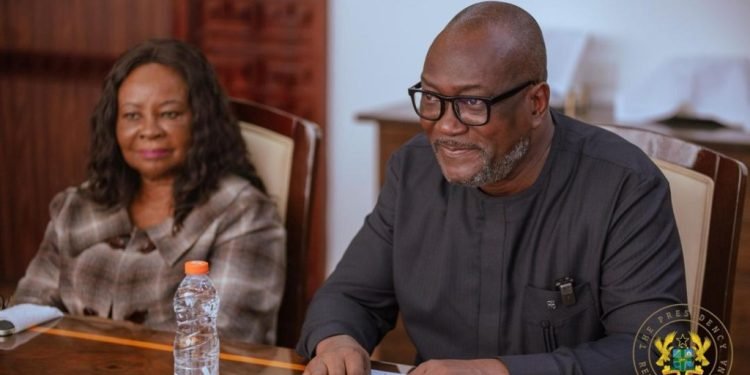


The international legal team representing Ghana’s former Finance Minister, Ken Ofori-Atta, has publicly addressed ongoing claims and speculation surrounding a possible extradition process, describing several reports as misleading and legally inaccurate.
The statement comes amid heightened public interest following reports that the former minister could face extradition over matters linked to his tenure in office, sparking widespread debate both locally and internationally.
Lawyer Breaks Silence on Extradition Narrative
According to the international lawyer speaking on behalf of Ken Ofori-Atta, there is currently no active extradition process against the former Finance Minister in any foreign jurisdiction. The lawyer clarified that extradition is a complex legal procedure governed by bilateral treaties and strict judicial standards, and cannot be triggered by public commentary or political pressure.
The lawyer emphasized that for extradition to occur, there must be a formal request by a competent state authority, supported by criminal charges recognized under both Ghanaian law and the law of the requested country.
“There is a lot of misunderstanding about how extradition works,” the lawyer explained, stressing that media speculation does not constitute legal action.
Background to the Extradition Claims
Public discourse around Ken Ofori-Atta intensified following calls by some civil society actors and political commentators for accountability over economic decisions taken during his time as Finance Minister. These calls have often been framed within broader discussions on governance, public finance management, and alleged financial losses to the state.
However, legal analysts point out that accountability processes and extradition are entirely different legal paths, each requiring specific procedural steps.
No Ghanaian court has, so far, issued an arrest warrant or conviction that would serve as the basis for any extradition request, according to available public records.
Legal Requirements for Extradition
Extradition is governed by international treaties and domestic legislation. Ghana, like many countries, can only extradite or request extradition if certain conditions are met. These include:
- The existence of a recognized criminal offence
- Dual criminality (the offence must be a crime in both countries)
- Judicial authorization
- Diplomatic engagement between states
The lawyer reiterated that without these elements, extradition discussions remain purely speculative.
Political and Public Reactions
The lawyer’s remarks have triggered fresh reactions from political actors and the general public. Supporters of the former Finance Minister argue that the clarification highlights the need for restraint and respect for due process, warning against trial-by-media narratives.
On the other hand, critics insist that accountability for public office holders remains a legitimate public concern, regardless of whether extradition is involved.
Political observers say the issue reflects Ghana’s broader struggle to balance public accountability with constitutional safeguards and the rule of law.
Impact on Ghana’s Legal and Political Landscape
Legal experts believe the controversy underscores the importance of public education on legal processes, particularly in high-profile political cases. They caution that misrepresenting extradition could create unrealistic public expectations and potentially undermine confidence in Ghana’s justice system.
The case also raises questions about how international law intersects with domestic political debates, especially in an era where public discourse is amplified by social media.
What Ken Ofori-Atta’s Team Is Saying
Ken Ofori-Atta’s legal representatives maintain that their client remains available to respond to any lawful inquiry conducted through appropriate legal channels. They insist that due process, not speculation, should guide any accountability process.
The lawyer further noted that Ghana’s democratic institutions are strong enough to handle any legitimate concerns without resorting to sensational claims.
Next Steps
As of now, no official extradition request has been confirmed by Ghanaian authorities or any foreign government. Analysts expect that any future developments would require clear legal actions, including court proceedings and formal state-to-state communication.
Developing Story
This is a developing story, and My News Ghana will continue to provide verified updates as more information becomes available from official legal and government sources.
About the Author