
Ghanaian Cedi
Ghanaian Cedi Surges Over 40% Against U.S. Dollar, Import Bills Eased
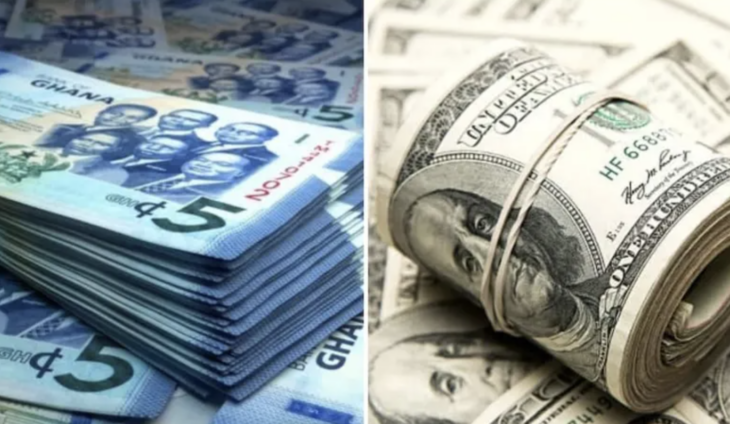
— In a remarkable turnaround, the Ghanaian cedi has strengthened by approximately 40.7% against the U.S. dollar in the first seven months of 2025. This steep appreciation has pulled the exchange rate down from over GH¢15 per USD in early January to about GH¢10.45 per USD by the end of July, according to the Bank of Ghana’s latest Summary of Economic and Financial Data GBC Ghana OnlineCitiNewsroom.comCediRates.
The sharpest gains occurred in May and June, when the cedi rose by 43% and 42.6% respectively—showcasing sustained momentum through mid-year . Meanwhile, interbank trading stabilized around GH¢10.48, with modest retail rates averaging GH¢12.00 per USD
Benefits for Trade and Fiscal Health
With stronger cedi valuation:
-
Importers and consumers now face lower costs on foreign goods, easing pressure on retail and industrial sectors
-
Ghana recorded a trade surplus of USD 5.6 billion and a current account surplus of USD 3.4 billion in the first half of 2025, reflecting enhanced external balances
-
Public debt as a share of GDP has eased to 43.8%, down from over 60% at the start of the year; the fiscal deficit narrowed to 1.1% of GDP by June 2025 GBC Ghana Online.
Inflation and Monetary Policy Context
-
Annual consumer inflation fell to 18.4% in May 2025, the lowest since February 2022, partly due to disinflationary trends and an appreciating currency
-
The Bank of Ghana held its benchmark policy rate at 28.0%, continuing a tight stance to anchor inflation expectations despite growing economic momentum
Cautions and Outlook
While the cedi’s resurgence has been welcomed, economists caution that the gains may be vulnerable to external shocks, including swings in oil or cocoa prices, or unpredictable global market shifts Modern Ghana+2Reuters+2gnbcc.net+2. Continued fiscal discipline and structural reforms will be necessary to sustain the currency’s current strength.
About the Author