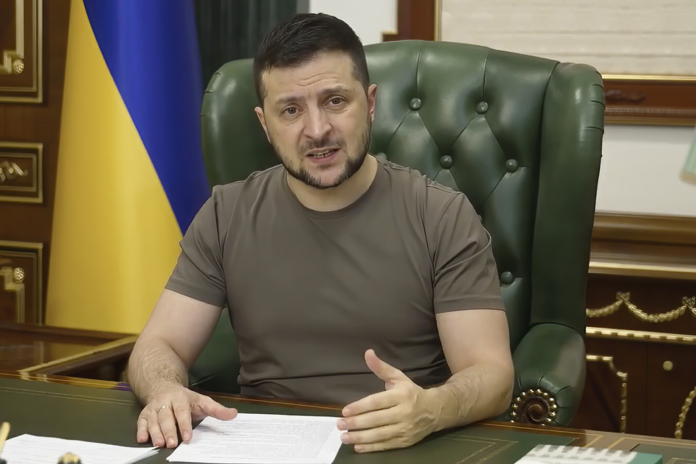


A Ghanaian criminal court has denied bail to well-known social media personality Abu Trica and two co-accused, who are facing serious charges including cybercrime and money laundering, in a case that continues to draw significant public attention.
The decision was handed down on Monday, reflecting the court’s view that the prosecution has established sufficient grounds to keep the suspects in custody pending further proceedings.
Details of the Charges
Abu Trica, a social media influencer with a large following is alleged to be involved in sophisticated cybercrime offences, including internet-related deceit and financial misconduct. Together with two accomplices, whose identities have also been named in court documents, he is accused of facilitating fraudulent activities that have led to financial losses for victims.
In addition to cybercrime charges, the trio faces money laundering allegations, which suggest that proceeds from alleged criminal conduct were being channelled through various financial accounts or enterprises in violation of the Anti-Money Laundering Act.
Legal observers say the case underscores Ghana’s ongoing efforts to clamp down on digital fraud and financial crime, which have become a growing concern in the era of expanding online activity.
Court Proceedings and Bail Hearing
At a bail hearing presided over by the appropriate criminal court, the prosecution argued that the evidence submitted including alleged financial trails and digital communication records posed a risk that the defendants would interfere with investigations if released on bail.
Prosecutors also contended that because the alleged offences involve complex cybercrime and financial networks, the suspects could evade the law if granted bail.
In response, the defence counsel pleaded for bail, arguing that the suspects are entitled to their constitutional right of bail and are law-abiding citizens with strong community ties. The defence further maintained that there was no clear indication that the accused would tamper with evidence or pose a flight risk.
Despite these arguments, the presiding judge ruled in favour of the prosecution, holding that the seriousness of the charges and the potential impact on witnesses justified remanding the accused in custody.
Legal Framework: Cybercrime and Money Laundering in Ghana
Under the Cybersecurity Act, 2020 and the Anti-Money Laundering Act, 2020, Ghana has significantly strengthened its legal arsenal against digital fraud and illicit financial conduct. These laws impose stringent penalties for offences involving online deception, fraud, identity theft, and the concealment of criminal proceeds.
Cybercrime offences carry severe sanctions, including substantial fines and custodial sentences, depending on the nature and scale of the offence. Money laundering charges can result in additional penalties if the prosecution proves that illicit funds were channelled through businesses or accounts to disguise their origin.
Experts say the denial of bail signals the judiciary’s firm stance on combating cyber-related crime and financial misconduct, particularly in cases that could undermine public trust in digital systems.
Public Reaction and Online Commentary
News of the bail denial has generated mixed reactions on social media and in the public sphere. Some members of the public have applauded the court’s decision, viewing it as necessary to ensure justice and protect citizens from online fraud schemes.
Others have questioned the pace of investigations and the transparency of proceedings, calling for timely updates and adherence to due process rights.
Civil society organizations dealing with digital rights and legal advocacy have urged calm and respect for the legal process, emphasizing that suspects are presumed innocent until proven guilty in a court of law.
Implications for Cybersecurity and Public Safety
Analysts believe this case could set an important precedent in Ghana’s fight against cybercrime, particularly where alleged perpetrators are public figures or influential personalities. The denial of bail may serve as a deterrent to would-be offenders and reassure the public that authorities are serious about enforcing digital and financial crime laws.
They also highlight the need for continued investment in cybersecurity infrastructure, digital literacy campaigns, and stronger collaboration between law enforcement and financial institutions.
Next Steps in the Legal Process
With bail denied, Abu Trica and his co-accused will remain in custody as the prosecution prepares its case for trial. The next court hearing is expected to involve the formal presentation of evidence, possible witness testimonies, and further legal arguments.
Legal practitioners note the trial could span several weeks or months, depending on the complexity of the technical evidence and the legal issues involved.
Source: My News Ghana
About the Author