

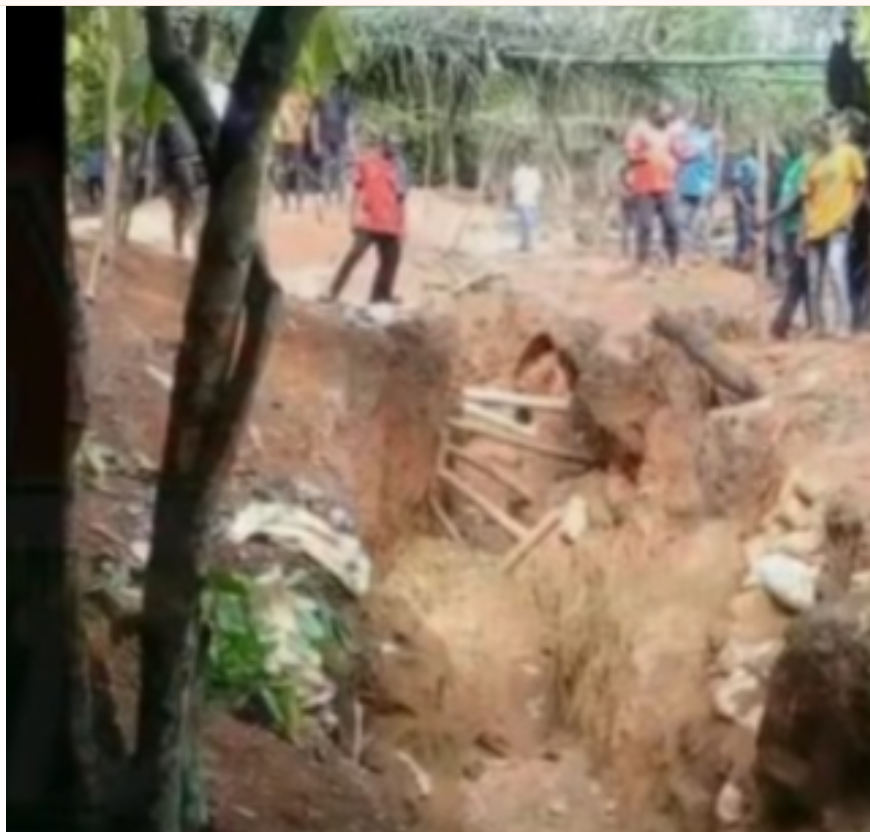
Atta Ne Atta Galamsey Tragedy Assemblyman Breaks Silence
An Assemblyman has spoken publicly about the Atta Ne Atta galamsey tragedy, revealing that victims allegedly ignored repeated warnings to vacate the illegal mining site before the fatal incident occurred.
According to the local official, authorities had issued clear instructions for miners to leave the area due to safety concerns. However, those warnings were reportedly disregarded.
The tragic incident, which has sparked widespread discussion about illegal mining in Ghana, has once again highlighted the dangers associated with unauthorized mining activities.
The Atta Ne Atta galamsey site became the scene of a fatal accident after portions of the mining pit reportedly collapsed.
Eyewitness accounts suggest that miners were working at the site when the structure gave way, trapping individuals underground.
Rescue efforts were launched immediately, but the situation underscored the high risk conditions common at illegal mining operations.
Assemblyman They Were Warned to Leave
Speaking on the incident, the Assemblyman stated that authorities had previously instructed miners to vacate the site.
According to him:
The area was deemed unsafe
Notices had been issued
Community leaders had advised compliance
Security warnings were allegedly communicated
Despite these measures, some miners reportedly returned to continue operations.
The Assemblyman stressed that illegal mining activities often resume quietly after enforcement teams leave.
The Atta Ne Atta galamsey tragedy is part of a broader national issue.
Illegal mining, commonly referred to as “galamsey,” continues to pose significant environmental and safety challenges across Ghana.
Key concerns include:
Land degradation
River pollution
Deforestation
Occupational hazard Loss of lives
Although government crackdowns have intensified in recent years, enforcement remains complex.
Safety Risks at Illegal Mining Sites
The Atta Ne Atta galamsey tragedy highlights the dangers miners face daily.
Common risks include:
Pit collapses Landslides
Exposure to toxic chemicals
DrowningEquipment accidents
Unlike licensed mining operations, illegal sites often lack safety protocols, engineering oversight, and protective gear.
Beyond human casualties, illegal mining severely damages the environment.
Rivers and water bodies contaminated with mercury and other chemicals affect:
Drinking water supplies Agriculture
Aquatic life
Communities downstream often suffer long term consequences from polluted water sources.
The tragedy has therefore reignited calls for stronger environmental enforcement.
Government Response to Galamsey
Over the years, the government has launched multiple anti galamsey initiatives, including:
Military led task forces
Seizure of mining equipment
Arrests and prosecutions
Community education campaigns
However, critics argue that long term solutions must address root economic causes.
Community Reaction to the Tragedy
The Atta Ne Atta galamsey tragedy has generated mixed reactions within the community.
While some residents sympathize with victims and their families, others acknowledge that illegal mining carries known risks.
Community members are reportedly calling for:
Stronger monitoring
Alternative livelihood programs
Youth employment initiatives
Enhanced community education
The Atta Ne Atta galamsey tragedy serves as a stark reminder of the dangers associated with illegal mining in Ghana.
While enforcement efforts continue, sustainable solutions must address unemployment, poverty, and environmental protection simultaneously.
Authorities, community leaders, and residents must collaborate to prevent future incidents.
Only through consistent enforcement and meaningful economic alternatives can Ghana reduce the human and environmental toll of galamsey activities.
Source: My News Ghana
About the Author