

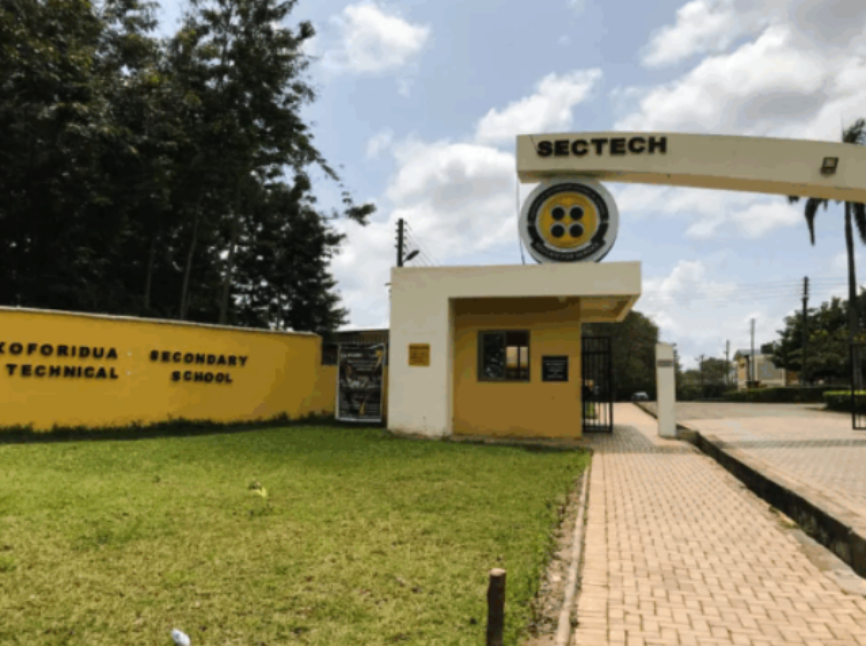
GES Bans Three Eastern Region SHSs Over Violence
The Ghana Education Service (GES) has banned three Senior High Schools (SHSs) in the Eastern Region from participating in sports and all co curricular activities for two years following violent disturbances during recent inter school competitions.
The directive, which takes immediate effect, is part of disciplinary measures aimed at restoring order and promoting safety within the second cycle education system.
According to education authorities, the decision followed investigations into clashes that occurred during organized school sporting events.
Why GES Banned the Three Eastern Region SHSs
Reports indicate that tensions escalated during inter school competitions, leading to acts of violence involving students.
The disturbances allegedly included physical confrontations, disorderly conduct, and actions that posed security risks to participants and spectators.
As a result, the Ghana Education Service (GES) imposed sanctions on the affected schools to:
Deter future violent behavior
Promote discipline among students
Ensure safety during academic and sporting events
Reinforce accountability among school authorities
Education officials emphasized that extracurricular activities are meant to foster unity, teamwork, and healthy competition not hostility.
Under the directive, the three affected schools will be barred from:
Inter school sports competitions
Athletics and zonal games
Cultural festivals
Debate competitions
All officially organized co curricular programs
The two year suspension is expected to serve both as punishment and as a corrective measure.
Authorities believe that removing participation privileges will encourage school management to strengthen internal discipline mechanisms.
GES’ Position on Student Discipline and Safety
The Ghana Education Service (GES) has reiterated its zero tolerance stance on violence in schools.
In recent years, isolated incidents during sporting competitions have raised concerns about student safety and supervision.
Education authorities maintain that:
Schools must ensure proper supervision during events
Students must adhere strictly to codes of conduct
Security agencies must be engaged where necessary
The service has also encouraged school heads to intensify guidance and counselling programs to address behavioral challenges among students.
The Impact on Students and School Communities
While the ban aims to promote discipline, it may significantly affect students who rely on sports and extracurricular activities for development.
Co curricular activities are known to:
Enhance leadership skills
Improve teamwork and communication
Provide scholarship opportunities
Boost physical and mental health
Therefore, stakeholders have called on affected schools to use the suspension period to reform internal structures and rebuild trust with educational authority
Sports and extracurricular programs play a vital role in Ghana’s education system.
Beyond academics, they help students develop:
Confidence
Social interaction skills
Emotional intelligence
Competitive spirit
Educational experts argue that while discipline is necessary, long term solutions should focus on preventive strategies rather than reactive punishment.
Measures Expected from Affected Schools
During the two year suspension, the three Eastern Region SHSs are expected to Review internal disciplinary frameworks
Strengthen student leadership accountability
Organize peace and conflict resolution workshops
Improve collaboration with parents and local authorities
Education officials may also monitor compliance and behavioral reforms before lifting the ban.
Incidents during school sporting events have occasionally raised national concern.
Observers believe contributing factors may include:
Intense rivalry between schools
Lack of adequate supervision
Inadequate crowd control measures
Peer pressure among students
However, authorities insist that such issues cannot justify violent behavior.
Public Reaction to the GES Ban
News that GES bans three Eastern Region SHSs has sparked mixed reactions.
Some parents and education stakeholders support the decision, arguing that discipline must be enforced strictly to protect students.
Others believe alternative corrective approaches, such as probationary monitoring or mandatory conflict resolution training, could have been considered.
Nonetheless, many agree that safety in schools must remain a top priority.
Source: My News Ghana
About the Author