
Accra – September 10, 2025 — Ghana has formally received a group of West African nationals deported from the U.S, marking the beginning of a controversial repatriation agreement reached under President John Dramani Mahama’s administration.
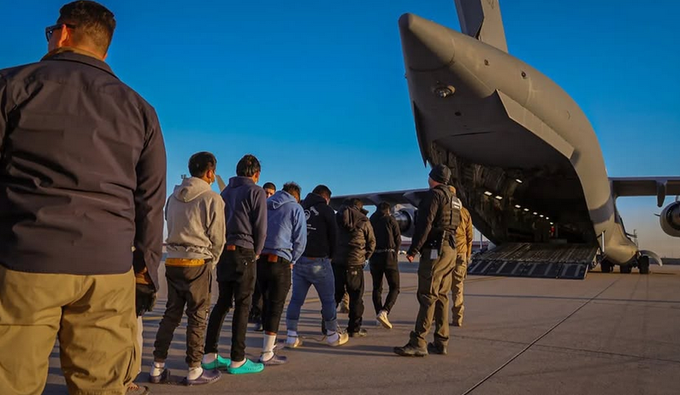
On Wednesday, 14 deportees — comprising mostly Nigerians and one Gambian — arrived at Kotoka International Airport in Accra aboard a U.S. chartered flight. The repatriations come as part of a wider deal between Accra and Washington, aimed at facilitating the removal of undocumented West Africans from the United States amid President Donald Trump’s intensified immigration crackdown.
Economic and Political Pressures
Government insiders say Ghana’s decision to accept the deportees was influenced by economic pressures and bilateral considerations, as Washington tied cooperation on migration to trade and security incentives. The arrangement allows Ghana to serve as a receiving hub, where deportees are processed before being relocated to their respective countries.
Analysts warn, however, that the move could strain regional relations, with critics questioning why Ghana is hosting nationals from other countries.
Domestic Reactions
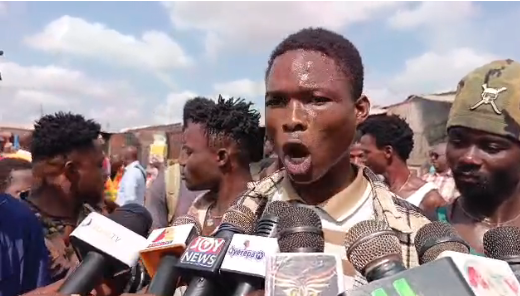
The development has sparked mixed reactions at home. Civil society groups and some opposition figures argue the deal undermines Ghana’s sovereignty and risks social tension. Protesters in Accra carried placards denouncing what they described as “outsourcing U.S. migration problems to Africa.”
Human rights advocates have also raised concerns about integration challenges for the returnees, many of whom have spent years abroad and may face stigma or unemployment upon return.
Broader Implications
Observers note that the deportations highlight the delicate balance African states face between maintaining diplomatic ties with powerful nations and protecting regional unity. The African Union has previously criticized mass deportations as “inhumane,” urging the U.S. and its partners to adopt more humane migration policies.
As the first wave of deportees settles, attention now turns to how Ghana and neighboring states will navigate the social and political fallout of the repatriation agreement.
Source – My News Ghana
About the Author