
HIV Rate in Wenchi Rises to Third Highest in Bono Region
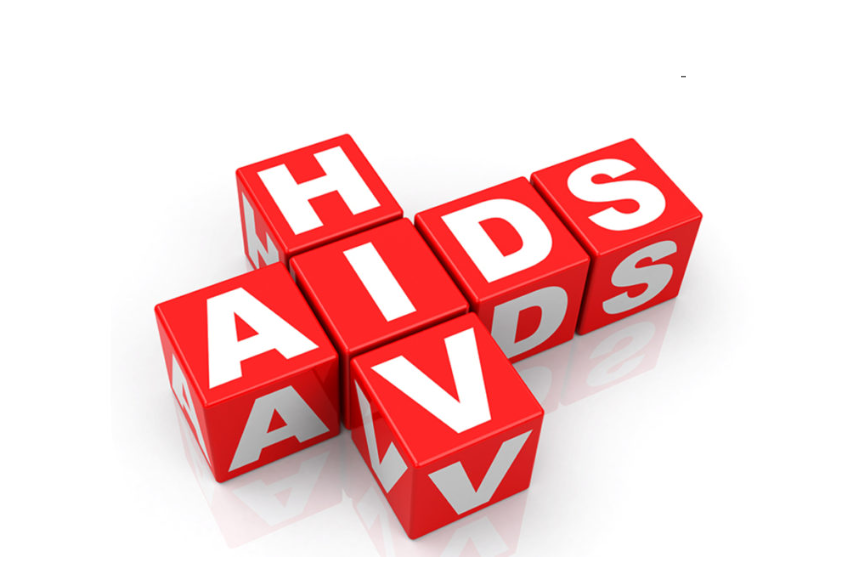
The HIV rate in Wenchi has emerged as the third highest in the Bono Region, according to health officials, sparking renewed calls for intensified public education, testing, and prevention strategies.
Health authorities in the municipality have expressed concern over the increasing number of recorded cases, urging residents to take proactive steps to curb the spread of the virus.
The development places Wenchi among the top three districts in the region with the highest HIV prevalence, raising public health concerns.
Health Officials Sound the Alarm
Local health officials disclosed that recent data shows a worrying trend in infection rates within the municipality.
Although HIV prevalence varies across districts, the ranking of Wenchi as the third highest in the Bono Region signals the need for urgent intervention.
Health professionals have therefore called for:
Increased voluntary testing
Public education campaigns
Responsible sexual behavior
Early treatment for those diagnosed
They stress that early detection and adherence to treatment significantly reduce transmission and improve quality of life.
Understanding HIV Prevalence in Wenchi
The HIV rate in Wenchi reflects broader national challenges in combating the virus.
While Ghana has made significant progress in reducing new infections over the years, localized spikes remain a concern in certain municipalities.
Experts believe contributing factors may include:
Low testing rates
Stigma and discrimination
Limited awareness among youth
Multiple sexual partnerships
Inconsistent condom use
Addressing these issues requires coordinated efforts between health authorities, community leaders, and civil society organizations.
The Importance of Regular HIV Testing
Health officials are encouraging residents of Wenchi to undergo regular HIV screening.
Testing is crucial because:
HIV can remain asymptomatic for years
Early diagnosis improves treatment outcomes Anti retroviral therapy (ART) reduces viral load
Suppressed viral load prevents transmission
Free and confidential testing services are available at designated health facilities within the municipality.
One of the major barriers to controlling the HIV rate in Wenchi is stigma.
Individuals living with HIV often face discrimination, which discourages them from seeking medical care.
Health experts emphasize that:
HIV is manageable with proper treatment
People living with HIV can live normal, healthy lives
Community support improves treatment adherence
Reducing stigma is therefore critical to controlling infection rates.
Youth Education and Prevention Strategies
Young people remain a key demographic in HIV prevention efforts.
Authorities are advocating for:
Comprehensive sexual health education in schools
Youth friendly health services
Peer education programs
Condom accessibility
Empowering young people with accurate information can significantly reduce risky behavior.
Religious and traditional leaders in Wenchi are being encouraged to participate actively in awareness campaigns.
Community influence plays a powerful role in shaping behavior.
By supporting HIV education initiatives, leaders can help normalize testing and reduce misinformation.
Ghana’s Fight Against HIV
Ghana has implemented several programs aimed at reducing HIV prevalence nationwide.
These include:
Free antiretroviral therapy (ART)
Prevention of mother-to-child transmission (PMTCT) programs
Public awareness campaigns
Community outreach initiatives
Despite these efforts, localized increases such as the HIV rate in Wenchi demonstrate the need for sustained action.
Higher HIV prevalence can have long term social and economic consequences.
These may include:
Increased healthcare costs
Reduced workforce productivity
Strain on families
Psychological distress
Therefore, prevention remains more cost effective than
Source: My News Ghana
About the Author