
Doha/Tel Aviv – September 9, 2025 — Israeli Prime Minister Benjamin Netanyahu has dramatically escalated Middle East tensions after ordering a targeted airstrike in Doha, Qatar, that killed at least five Hamas officials, including senior leader Khalil al-Hayya.
The strike, carried out late Monday, shattered fragile cease-fire negotiations between Israel and Palestinian factions, and marked the first time Israeli forces have directly struck inside Qatar, a key regional power and mediator in past peace efforts.
The Ultimatum
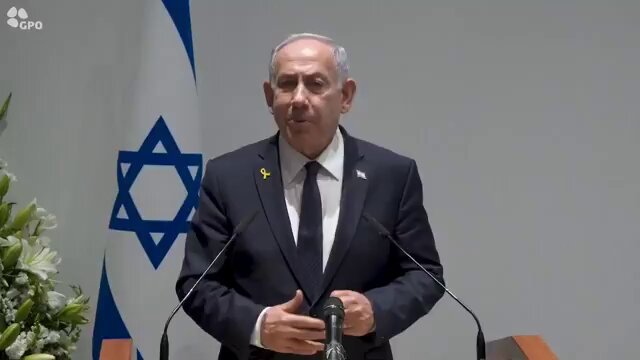
Following the attack, Netanyahu issued a stark warning to Qatari authorities: expel or prosecute remaining Hamas leaders sheltering in Doha, or face further Israeli military action.
“Israel will not tolerate any safe haven for terrorists,” Netanyahu declared in a televised statement. “If Qatar continues to harbor Hamas operatives, it will bear the consequences.”
Israel PM Benjamin Netanyahu threatens Qatar with more attacks on its soil.
This comes after Trump claimed he “assured” Qatar it would not happen again. pic.twitter.com/JpZ6YWfcIX
— The Cradle (@TheCradleMedia) September 10, 2025
Global Fallout
The strike sparked immediate condemnation from Qatar, which accused Israel of violating its sovereignty and destabilizing the region. Qatari officials described the move as an “unprovoked act of aggression” and vowed to raise the issue at the United Nations.
The White House also expressed frustration. U.S. President Donald Trump criticized Netanyahu’s decision as “unwise and a breach of alliances,” warning that unilateral actions risk undermining broader U.S.-led efforts to stabilize the Middle East.
Cease-Fire Talks in Jeopardy
The incident threatens to derail weeks of sensitive negotiations aimed at restoring calm after months of deadly clashes in Gaza and the West Bank. Qatar has played a central role in mediating between Hamas and Israel, raising questions over whether the Gulf nation will continue its diplomatic engagement after being directly targeted.
Rising Regional Tensions
Analysts warn the airstrike could further inflame the region, drawing in actors such as Iran and Turkey, both of which have historically backed Hamas. The move also raises fears of retaliatory attacks against Israeli interests abroad, particularly in the Gulf.
For Netanyahu, who has faced mounting political pressure at home, the operation may serve to project strength. However, critics argue it risks deepening Israel’s isolation and dragging the conflict into uncharted territory.
Source – My News Ghana
About the Author