

The Mayor of Kumasi, also known as the Metropolitan Chief Executive (MCE) of the Kumasi Metropolitan Assembly (KMA), has directed traders operating around the Ahodwo–Asokwa Interchange to vacate the area by January 4, as part of efforts to restore order, improve traffic flow, and enhance public safety.
The directive affects traders who have mounted stalls, kiosks, and makeshift structures within and around the interchange corridor, an area designated for vehicular movement and not commercial activity.
Rationale Behind the Directive
According to city authorities, trading activities at the Ahodwo–Asokwa Interchange pose serious safety risks to both traders and motorists. The interchange, which serves as a critical traffic node in Kumasi, has experienced congestion due to the presence of roadside trading, illegal parking, and pedestrian obstructions.
The Kumasi Mayor stressed that the decision is in line with the Assembly’s mandate to enforce city bylaws and ensure the proper use of public infrastructure. He emphasized that interchanges are designed strictly for traffic management and not for commercial purposes.
City officials say continued trading in such areas undermines road safety and increases the likelihood of accidents.
Traders Given Deadline to Comply
The Mayor has given affected traders until January 4 to voluntarily remove their goods and structures from the interchange area. After the deadline, enforcement measures are expected to be implemented to clear the area.
Officials of the Kumasi Metropolitan Assembly have indicated that the directive is not targeted at punishing traders but rather aimed at restoring sanity and protecting lives.
They have urged traders to cooperate with city authorities to avoid confrontations during enforcement operations.
Broader Decongestion and Sanitation Efforts
The order forms part of a broader decongestion and urban management exercise being undertaken by the KMA to address congestion, sanitation challenges, and unregulated commercial activities across the city.
Urban planning experts have long argued that uncontrolled street trading contributes to traffic congestion, poor sanitation, and the deterioration of public infrastructure in major cities.
The Kumasi Mayor reiterated his administration’s commitment to transforming the city into a cleaner, safer, and more organized urban center.
Reactions from Traders
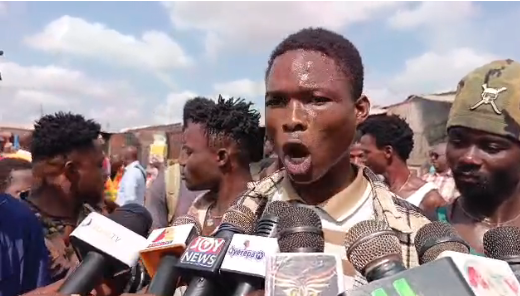
Some traders operating around the interchange have expressed concern about the directive, citing limited access to alternative trading spaces and the economic difficulties they may face if relocated.
Others, however, acknowledged the safety risks associated with trading at the interchange and called on the Assembly to provide designated trading areas to accommodate displaced traders.
Trader associations have appealed to the KMA to engage them further and explore relocation options that will not severely disrupt livelihoods.
Call for Cooperation and Dialogue
City authorities have indicated their willingness to engage trader groups to discuss possible alternatives, including relocation to approved markets or designated trading zones within the metropolis.
The Mayor has urged traders to view the directive as part of a long-term effort to improve urban living conditions rather than a punitive measure.
He also appealed to residents and road users to support the Assembly’s efforts by adhering to city bylaws and reporting activities that obstruct public spaces.
Urban Safety and Traffic Management Concerns
Road safety advocates have welcomed the directive, noting that interchanges are high-risk areas where pedestrian activity and roadside trading significantly increase accident risks.
Traffic analysts argue that clearing trading activities from interchanges will improve visibility, ease traffic flow, and reduce pressure on motorists navigating busy junctions.
The Ahodwo–Asokwa Interchange is one of Kumasi’s key transport routes, and authorities believe restoring its intended use will enhance overall traffic efficiency.
Enforcement After Deadline
KMA officials have made it clear that enforcement will commence after January 4 if traders fail to comply voluntarily. This may involve the removal of structures and confiscation of items found within restricted zones, in accordance with city regulations.
Residents have been advised to take the directive seriously and avoid last-minute confrontations with enforcement officers.
Developing Story
As the January 4 deadline approaches, reactions from trader groups, civil society organizations, and city authorities are expected to intensify. Further details on relocation plans and enforcement measures will be provided as they become available.
My News Ghana will continue to monitor the situation and provide updates based on verified information.
About the Author