
Ghana Records 20 New Mpox Cases, Total Cases Rise to 302
Accra, August 3, 2025 — Ghana Health Service (GHS) has confirmed 20 new Mpox cases as of July 30, raising the country’s total to 302 confirmed infections Graphic OnlineModern GhanaCitiNewsroom.com.
This surge follows last week’s announcement of the nation’s first Mpox-related death, coupled with a record rise of 23 new cases—bringing the total to 257 as of July 22
What You Need to Know
-
Spread of Mpox: The disease primarily transmits through close physical contact—especially skin lesions, bodily fluids, or touching contaminated objects like bedding or clothing Instagram+6MyJoyOnline+6Modern Ghana+6.
-
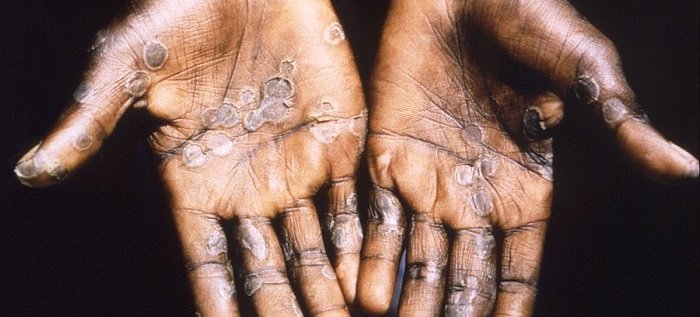
Symptoms to Watch: Common signs include fever, headache, muscle aches, swollen lymph nodes, fatigue, chills, and a distinctive rash that evolves from bumps to scabs Graphic Online+6MyJoyOnline+6Pulse Ghana+6.
-
At-Risk Populations: Children, pregnant women, and individuals with weakened immune systems are considered particularly vulnerable.
GHS Response & Public Health Measures
Authorities are reinforcing public health protocols:
-
Early detection and isolation remain essential to controlling spread.
-
Contact tracing and regional monitoring are ongoing in coordination with the WHO.
-
Public education campaigns emphasize hand hygiene, avoiding contact with symptomatic individuals, and trusting verified information sources Wikipedia+3Cedi Rates+3Pulse Ghana+3Cedi Rates+3Graphic Online+3Modern Ghana+3.
The GHS is urging citizens to immediately report any suspected symptoms to nearby health facilities and avoid misinformation.
Quick Facts
| Detail | Information |
|---|---|
| New Cases Detected | 20 (as of July 30) |
| Total Confirmed Cases | 302 |
| First Mpox Death | Confirmed last week |
| Transmission Medium | Contact with lesion fluids or contaminated items |
| Symptoms Include | Fever, rash, swollen lymph nodes, chills |
| Preventive Advice | Isolation, hand hygiene, symptom reporting |
Why It Matters
This increase marks a concerning escalation in Ghana’s Mpox outbreak, signaling a turning point after mid-July’s spike and first fatality. The GHS emphasizes prevention through vigilance and public cooperation to prevent further spread.
Most patients recover fully with support and/or antiviral care, but the rise in confirmed cases—particularly involving high-risk populations—has health officials sounding the alarm for continued vigilance and widespread public participation.
About the Author