

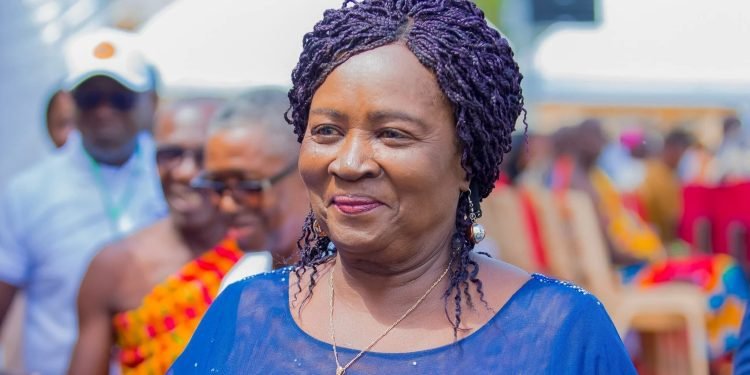
Vice-Prsident Confirms Women’s Development Bank Initiative
Accra, Ghana — Vice‑President Prof. Naana Jane Opoku‑Agyemang has officially confirmed that Ghana’s Women’s Development Bank is in the pipeline, marking a pivotal step in the government’s strategic drive to financially empower women-led businesses nationwide.
Announced as part of the 2025 State of the Nation Address, the initiative is set to bridge the longstanding credit exclusion faced by female entrepreneurs through low‑interest loans, flexible repayment terms, and tailored financial services.
Key Developments & Financial Commitments
-
Seed Funding Secured:
The government has allocated GHS 51.3 million as initial capital to launch the bank under the 2025 national budget, overseen by the Ministry of Finance -
120-Day Timeline:
Consultative processes are underway, with expectations that the bank will become operational by mid‑2025, under the joint supervision of the Ministry of Gender, Children and Social Protection and the Bank of Ghana. -
Support Infrastructure:
Partnerships with international development agencies, civil society groups, and women‑focused NGOs are being mobilized to ensure robust governance and stakeholder support.
Stakeholder Perspectives & Concerns
-
Legislative Endorsement:
The initiative was declared during President John Mahama’s speech to Parliament, signalling elevation as a flagship women’s empowerment programme under the ruling NDC party platform -
Calls for Strategic Oversight:
Some lawmakers, including MP Nana Osei‑Adjei (New Juaben North), welcome the move but caution that Ghana’s current economic constraints require a carefully defined implementation roadmap -
Political Opposition Viewpoint:
The People’s National Party (PNP) has suggested that instead of launching a new bank, the government could leverage resources within existing institutions such as Ghana Commercial Bank (GCB)—arguing this would avoid unnecessary capital expenditure and delay
Strategic Significance & Economic Impact
The Women’s Development Bank aims not just to provide credit but to deliver financial literacy training, business advisory services, and mentorship programmes to bolster sustainable women-led enterprise development across agriculture, trade, technology, and manufacturing sectors
This initiative also aligns with Ghana’s Affirmative Action (Gender Equity) Act, 2024, targeting at least 30% female representation in leadership and economic spaces
Though the Women’s Bank holds transformative promise, several considerations remain:
-
The need for transparent governance, financial accountability, and rigorous capital mobilisation.
-
Integration of digital banking infrastructure to reach rural women entrepreneurs with limited access to traditional intermediaries.
-
Ensuring sustainability beyond initial funding and that loan support is delivered equitably across urban and rural constituencies.
Source: My News Ghana
About the Author